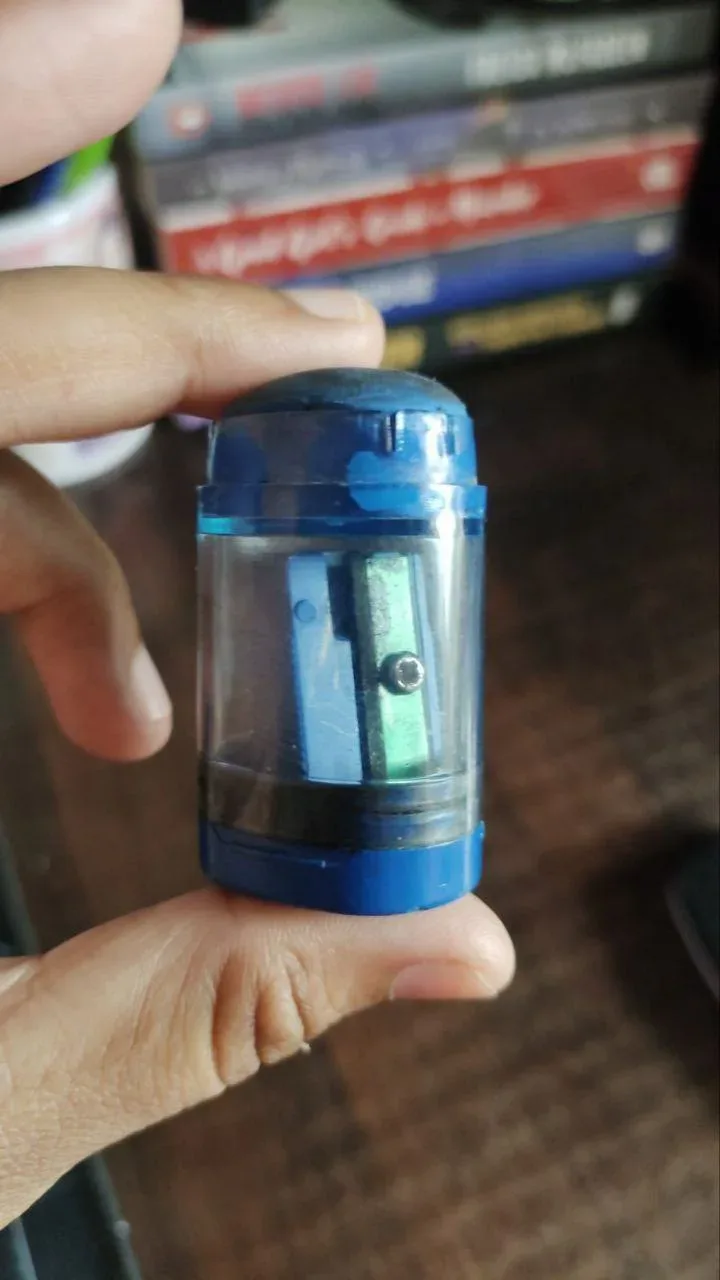
 Good design
The sharpener that keeps things clean
Two hole sizes, a built-in eraser and a transparent case that holds the shavings. You can see when it’s full.
Small objects designed right bring unexpected joy.
Ten everyday objects around campus, judged by how they treated me in the moment I needed them.
The brief was to find five good and five bad designs in daily life. I wrote each one as a small story, because that’s how design is actually felt.
Good designTwo hole sizes, a built-in eraser and a transparent case that holds the shavings. You can see when it’s full.
Small objects designed right bring unexpected joy.
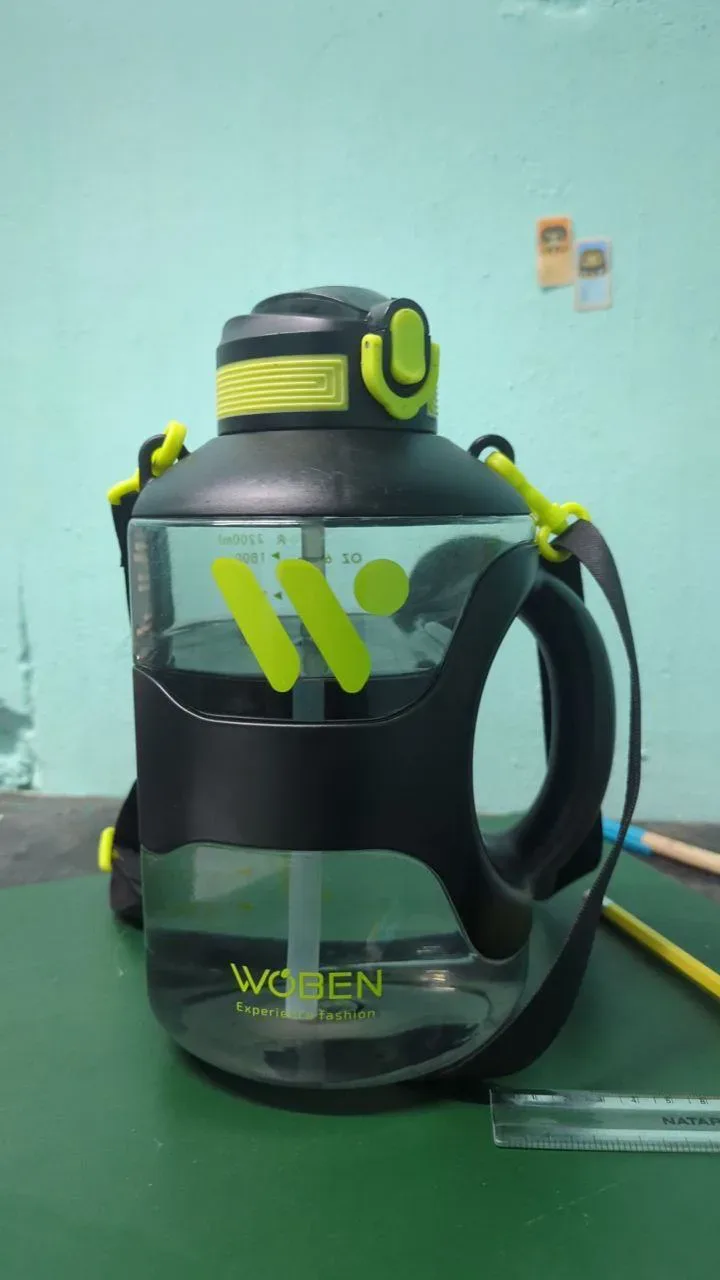 Good design
A 2.2 L bottle with a wide grip for sweaty hands, a sling strap and visible level markings.
Design for the real context: gym, sweat, carrying.
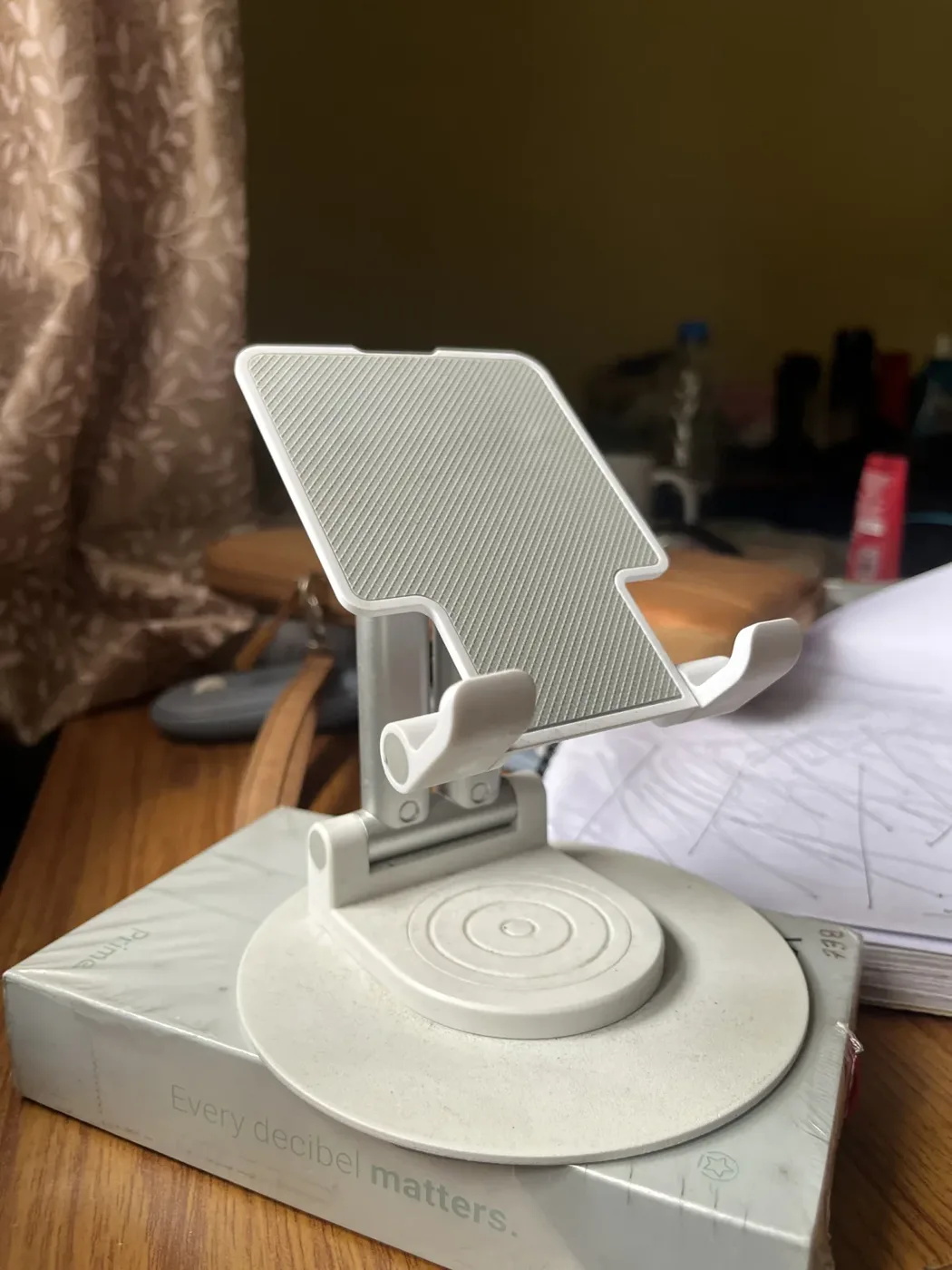 Good design
Adjustable angles, rubber grips and a fold-flat body, so devices sit at eye level without neck strain.
Good ergonomics is often invisible.
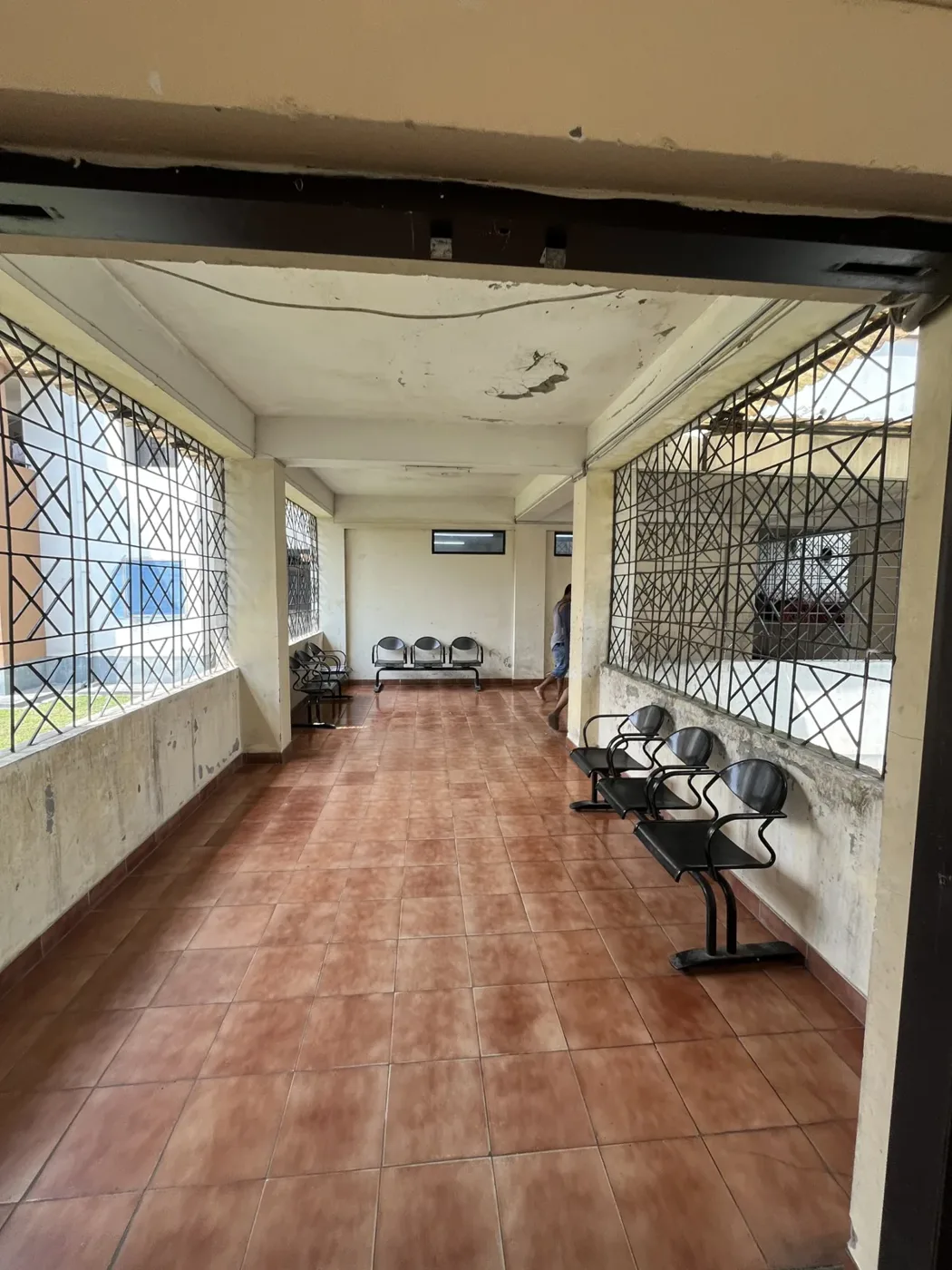 Good design
Iron grills on both sides of a hostel corridor bring in air and light all day, with no switches and no power.
The best designs sometimes work with nature, silently.
 Good design
Late at night on a cycle: a roundabout diagram, a few clear arrows and a “Keep Left” board.
Fewer words, more clarity.
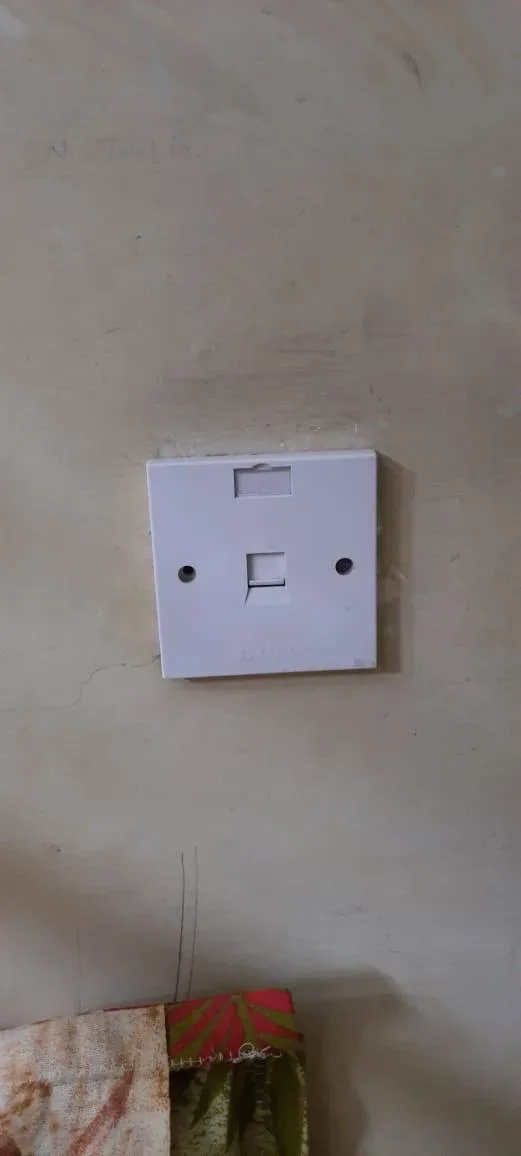 Bad design
A rigid inner flap that has to be lifted with a fingernail, with no label and no grip, on a deadline day.
Even a 30-second hassle feels like failure under stress.
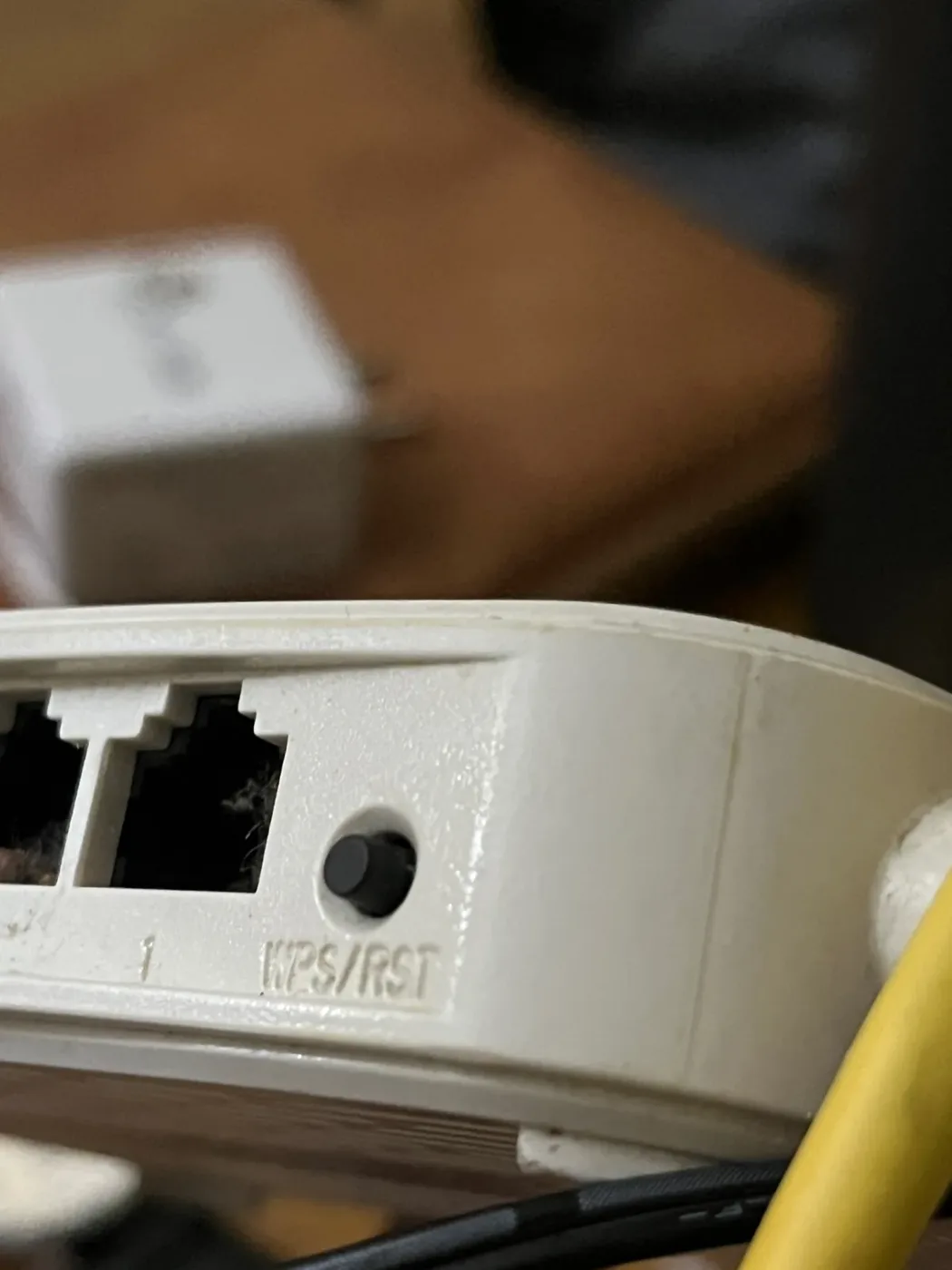 Bad design
A needle-hole reset button with no click and no feedback, so you never know if it worked.
Without feedback, users can’t trust their own actions.
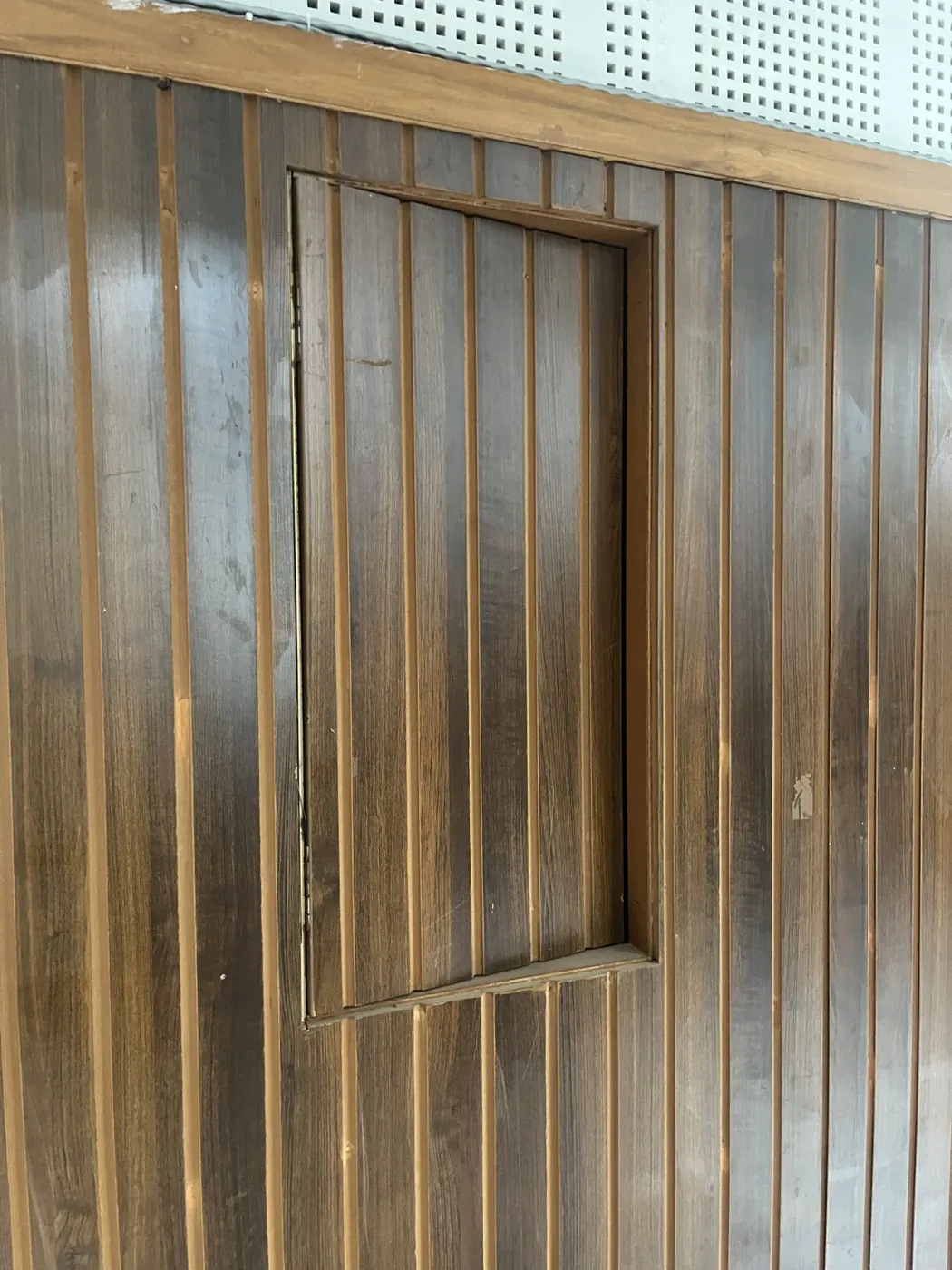 Bad design
A wooden panel hiding electrical wiring, with no handle, no indent and nothing to say it opens.
If it can’t signal how it opens, it isn’t a door.
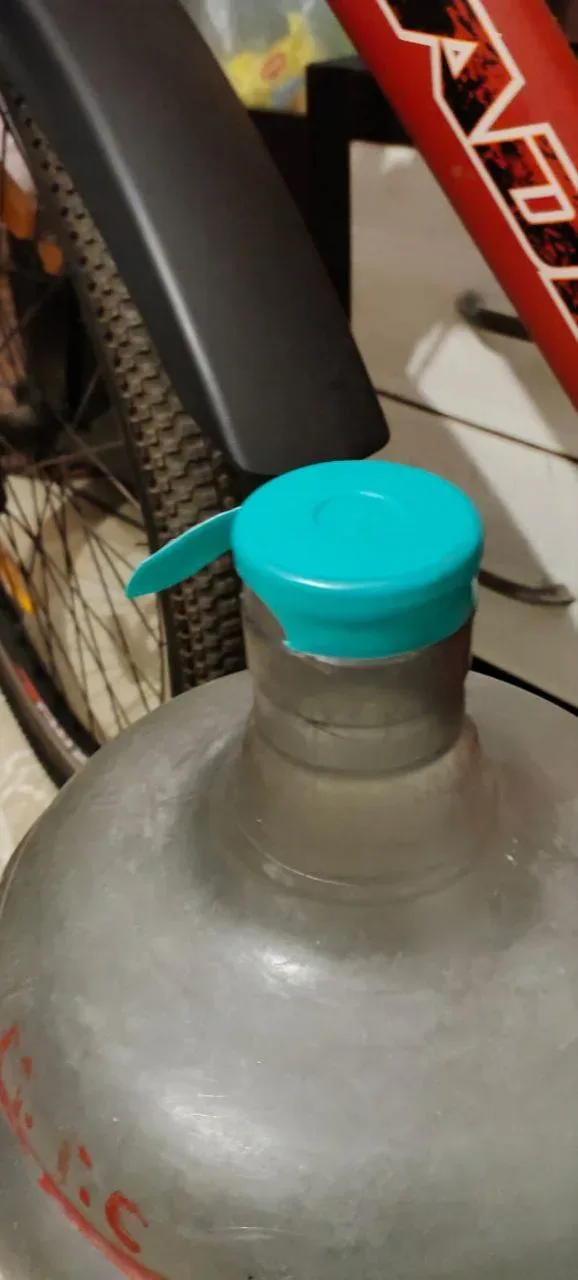 Bad design
A 20-litre water-jar cap with no tab or grip; opening it ended with a knife.
Making access a battle makes it dangerous.
 Bad design
Rope-tied bamboo that creaks and wobbles: no grip, no lock, no reassurance.
Without safety, function becomes danger.
Each object is written as a small moment: a deadline, a late-night ride, a gym day. Writing them this way forced me to notice context, emotion and stress, which is where good and bad design actually show up.